
Service
Cleaning for eligible fences and fence components, selected according to material, finish, condition, and access.
Residential and Commercial Properties
Roswell Pressure Washing provides fence cleaning for eligible residential and commercial fencing in Roswell, Georgia and the North Atlanta area. Before recommending a cleaning approach, we consider the fence material, finish, condition, visible buildup, nearby landscaping, and access on both sides where needed.
Dirt, pollen, algae, and mildew can change how a fence looks over time. Our goal is to help customers understand what cleaning may improve, what it cannot repair, and what their project-specific quote includes.
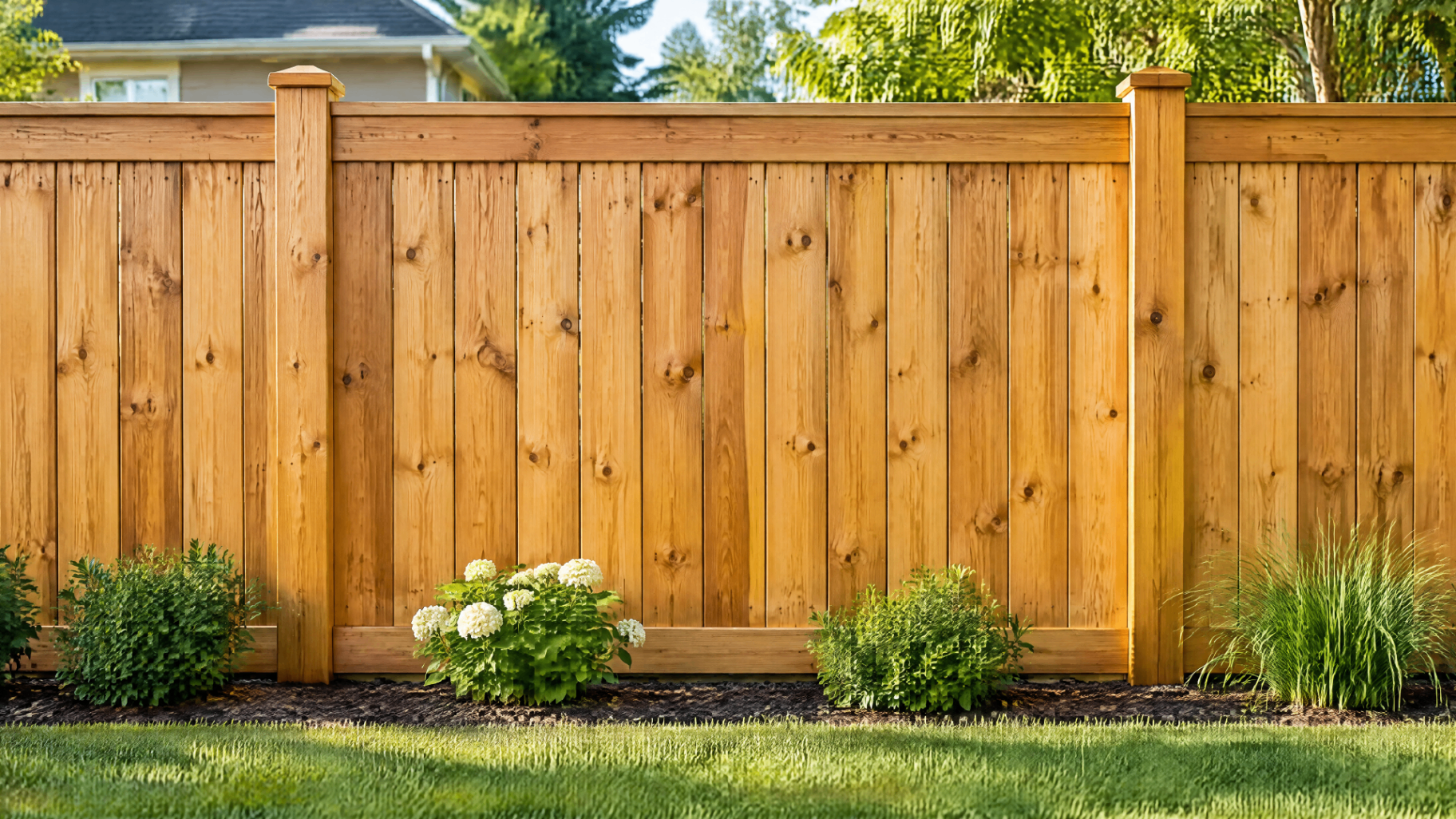
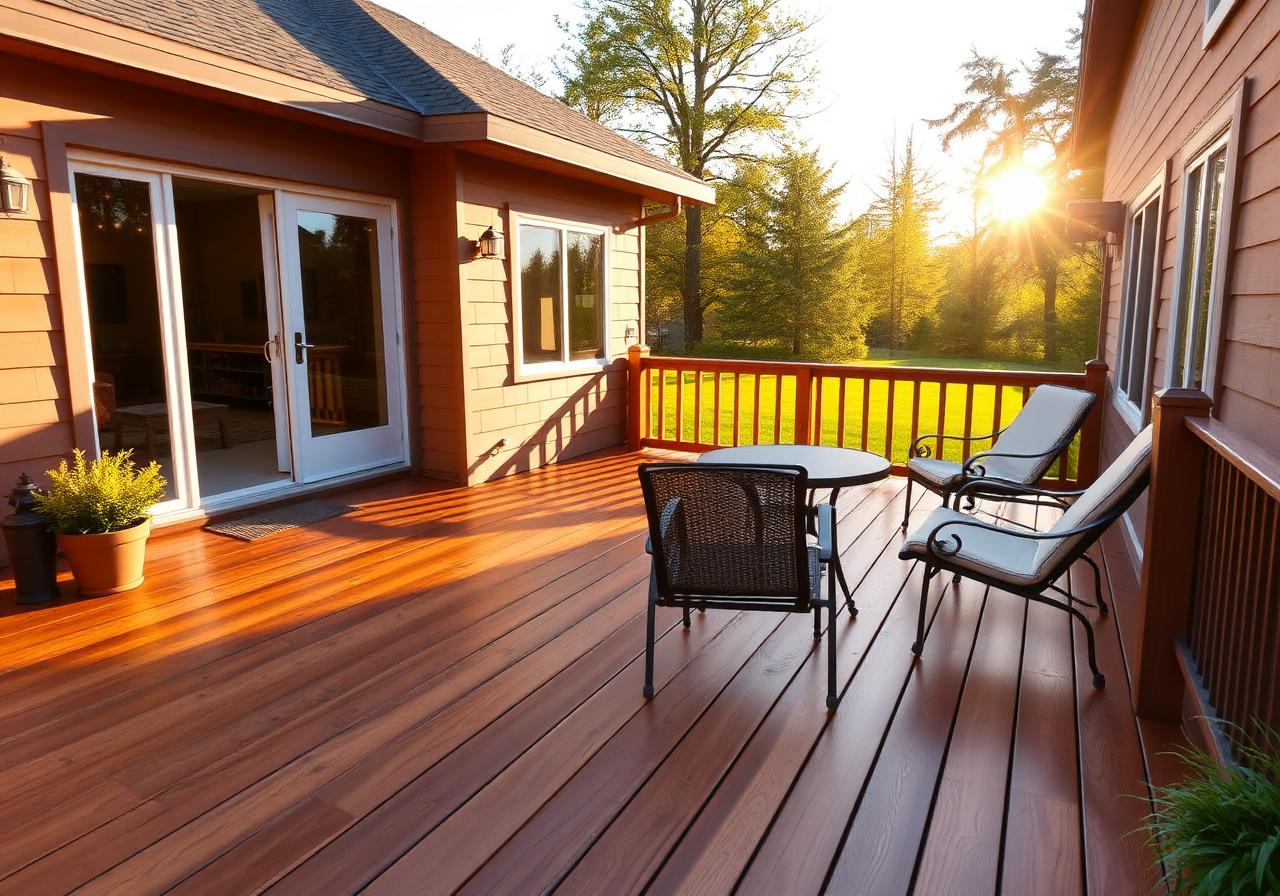
Cleaning for eligible fences and fence components, selected according to material, finish, condition, and access.
Homeowners, property managers, HOAs, and commercial properties requesting assessment of exterior fencing.
Wood, vinyl, composite, painted or stained fencing, and eligible decorative components. Eligibility and method depend on the individual fence.
Dirt, pollen, algae, mildew, cobwebs, weather-related buildup, and certain surface marks.
The material, existing coating, age, loose components, buildup, landscaping, drainage, and nearby surfaces guide the cleaning plan.
Length, height, material, number of sides, degree of buildup, access, preparation, and project scope.
Roswell, Alpharetta, Atlanta, Buford, Cumming, Decatur, Duluth, Marietta, Norcross, Sandy Springs, Smyrna, and Suwanee.
Cleaning does not repair rot, warped or loose boards, damaged finishes, failed paint or stain, or structural problems. Some discoloration may remain.
A fence can frame a yard, separate shared spaces, or form part of a property’s street-facing appearance. In Roswell and North Atlanta, outdoor fencing may collect pollen, airborne dirt, moisture-related growth, and debris from surrounding landscaping.
Fence materials respond differently to cleaning. Wood grain and aging finishes require different considerations from vinyl panels or painted surfaces. Roswell Pressure Washing reviews visible conditions and the customer’s goals before defining a scope and explaining reasonable expectations.
If nearby exterior surfaces also need attention, customers can ask about deck cleaning, house washing, retaining wall cleaning, or outdoor living area cleaning.
A fence should be assessed as a material and finish, not treated as a uniform surface. We review eligibility and the appropriate approach for the actual property.
Wood fencing can collect dirt, pollen, algae, and mildew, particularly in shaded or moisture-prone areas. Cleaning may improve removable buildup, but weathering, uneven coloration, splintering, rot, and old stain or paint are separate conditions. Cleaning is not a substitute for repair, sanding, staining, or sealing.
Vinyl fencing may show pollen, soil, algae, mildew, and marks from nearby landscaping or sprinklers. Before cleaning, the condition of panels, seams, gates, and nearby plants should be considered. Permanent staining or material changes may not respond like ordinary surface dirt.
Composite products vary in composition and finish. The appropriate approach depends on the product’s condition and any available care instructions. Cleaning may address eligible surface buildup but will not reverse fading, scratches, or material deterioration.
A painted or stained fence needs a careful condition review. Peeling paint, failing stain, exposed wood, and prior damage may affect the cleaning method and result. Cleaning does not restore a failing coating, and loose coatings may become more visible after removable dirt is gone.
Posts, gates, hardware, and decorative components may require different care from the fence panels. Rust, corrosion, failing coatings, and mechanical defects require separate evaluation and are not repaired by washing.
Shared or commercial fencing can involve longer runs, gates, landscaping, tenant access, and scheduling requirements. A written scope should identify the sections included, access arrangements, visible limitations, and any site-specific drainage considerations.
Outdoor fencing catches airborne soil, seasonal pollen, grass clippings, and debris. Where this buildup remains on the surface, cleaning may improve the fence’s appearance.
Shade, vegetation, and persistent moisture can encourage visible organic growth on eligible fence surfaces. The material and finish determine which cleaning approach is appropriate.
Sun exposure, rain, age, and differing levels of shade can change how fence sections look. Removing surface buildup does not necessarily return weathered material to a uniform original color.
Sprinklers, soil splash, mulch, and nearby plants can leave marks or contribute to recurring buildup. Mineral deposits and longstanding stains may need separate assessment.
Peeling paint, worn stain, soft wood, cracked vinyl, damaged posts, and loose boards affect both the cleaning plan and expected appearance. Washing does not correct those conditions.
Review the fence material, finish, visible buildup, stability, nearby plants and surfaces, gates, and access. Identify areas that may need a different approach or may not be suitable for cleaning.
Identify the fence sections and sides included in the estimate. Discuss visible weathering, loose boards, damaged panels, peeling coatings, stains, and other conditions that could affect the result.
Plan around plants, furniture, fixtures, gates, adjacent walls, and any access requirements. The preparation needed depends on the property and approved scope.
Select a cleaning approach based on the actual fence and condition. High pressure is not the default for wood, vinyl, painted surfaces, or fragile components.
Review eligible corners, posts, gates, and other areas included in the scope. Consider where water and any project-specific cleaning products could travel.
Review the completed scope and communicate visible conditions or remaining marks that cleaning could not correct. Customers can raise concerns about work included in their written estimate.
Wood, vinyl, composite, and coated materials have different care needs. The method should reflect material condition and available manufacturer guidance when applicable.
A lower-pressure approach may be appropriate for susceptible surfaces or organic buildup. One method does not fit every fence, and all fences do not receive identical treatment.
Excessive force can affect wood fibers, weakened coatings, or damaged fence components. The aim is an appropriate cleaning plan, not the highest possible pressure.
Some conditions may call for a targeted approach; others reflect aging, coating failure, or permanent material changes. What is included should be explained before work.
Plants, nearby walls, furniture, fixtures, and other adjacent finishes are considered when planning preparation and the approved work area.
Loose boards, damaged panels, weakened coatings, unstable posts, and other visible deterioration should be discussed because they may change the approach or make an area unsuitable for cleaning.
Access through gates, work-area boundaries, belongings, occupants, and shared spaces should be coordinated for the specific property and scope.
The plan should consider where water and project-specific cleaning products could travel. Applicable local requirements should guide work where contaminated runoff is a concern; no particular recovery or treatment equipment is represented as universal.
These business-provided facts are presented separately from the practical details a customer should expect in a clear, project-specific quote.
The quote should identify the fence sections and whether one or both sides are included.
Visible weathering, damage, coatings, stains, and other conditions that may affect the result should be noted.
The proposed approach should reflect the assessed material, finish, condition, and approved scope.
Work outside cleaning, such as repairs, staining, sealing, or coating restoration, should not be implied as included.
Gate access, belongings, shared spaces, and other access needs should be addressed for the property.
For initial planning, a smaller, straightforward fence-cleaning project may fall around $150 to $350; a medium-length residential fence may fall around $300 to $700; and a long, heavily soiled, difficult-to-access, or multi-section fence may cost $600 to $1,200 or more.
The quote depends on fence length and height, material and finish, whether one or both sides are included, buildup, access, preparation, and any related work. Repairs, staining, sealing, and coating restoration are not implied to be included in cleaning. If a project differs materially from the information used for an estimate, any proposed change should be explained and approved before additional work.
The overall dimensions and number of fence sections affect the work involved.
Wood, vinyl, composite, painted, and stained surfaces require different assessment and planning.
A quote should specify whether one side or both sides of each fence section are included.
The type and extent of buildup, along with visible deterioration or coating concerns, can affect the scope.
Gates, nearby belongings, plants, shared spaces, and difficult access may affect preparation and planning.
Repairs, staining, sealing, and coating restoration are separate from fence cleaning unless explicitly included in writing.
Homeowners may request cleaning for property-line fencing, backyard fencing, gates, and other eligible sections. The quote should identify the sides included, access arrangements, nearby plants and belongings, and visible fence conditions.
Property managers, HOAs, and businesses may need work coordinated around tenant access, gates, shared spaces, and scheduling. Proposals should reflect the actual scope and any site-specific safety or runoff considerations.
These before-and-after photos show real fence cleaning projects completed by Roswell Pressure Washing. Results vary with surface material, age, and condition.
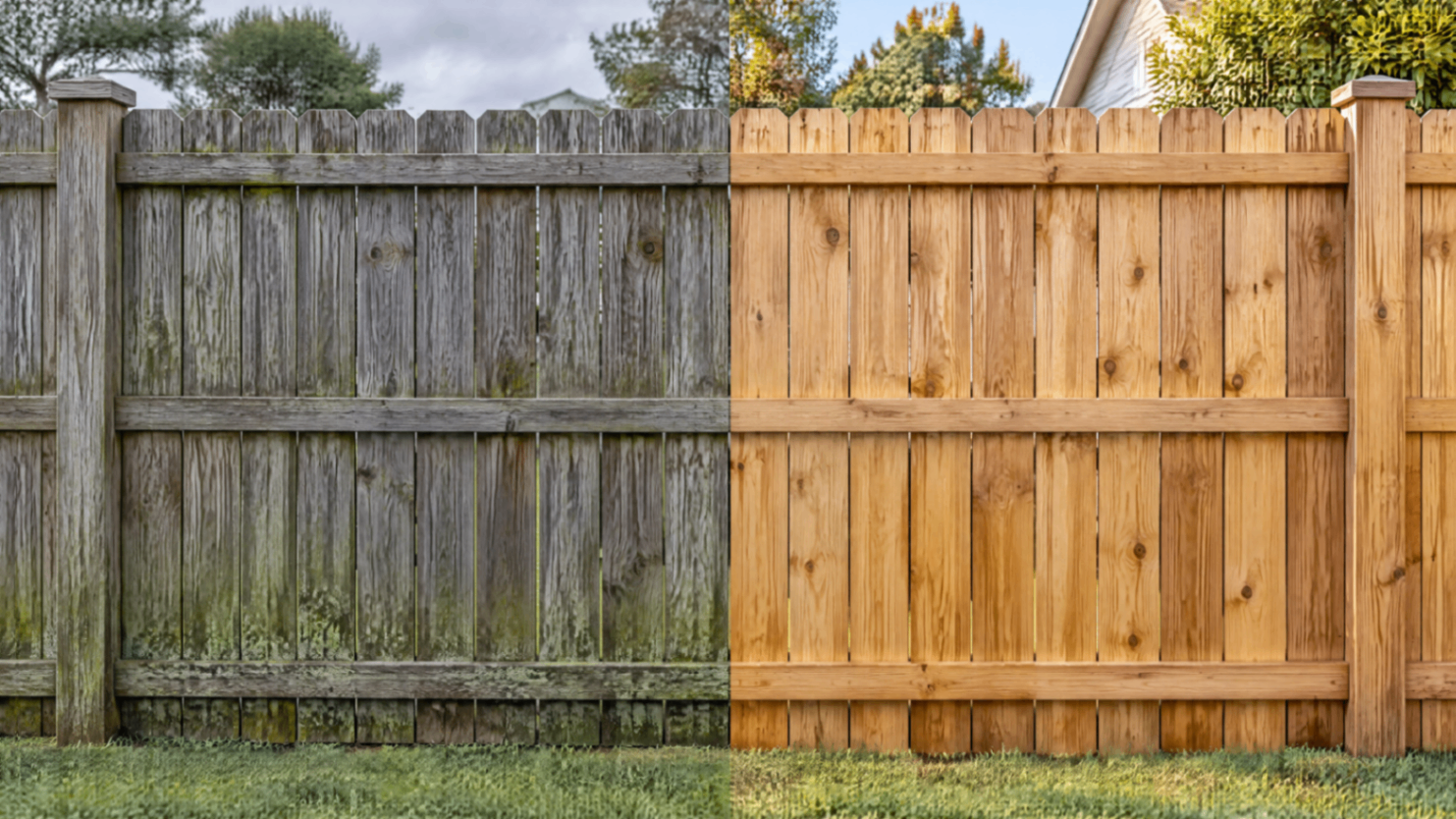
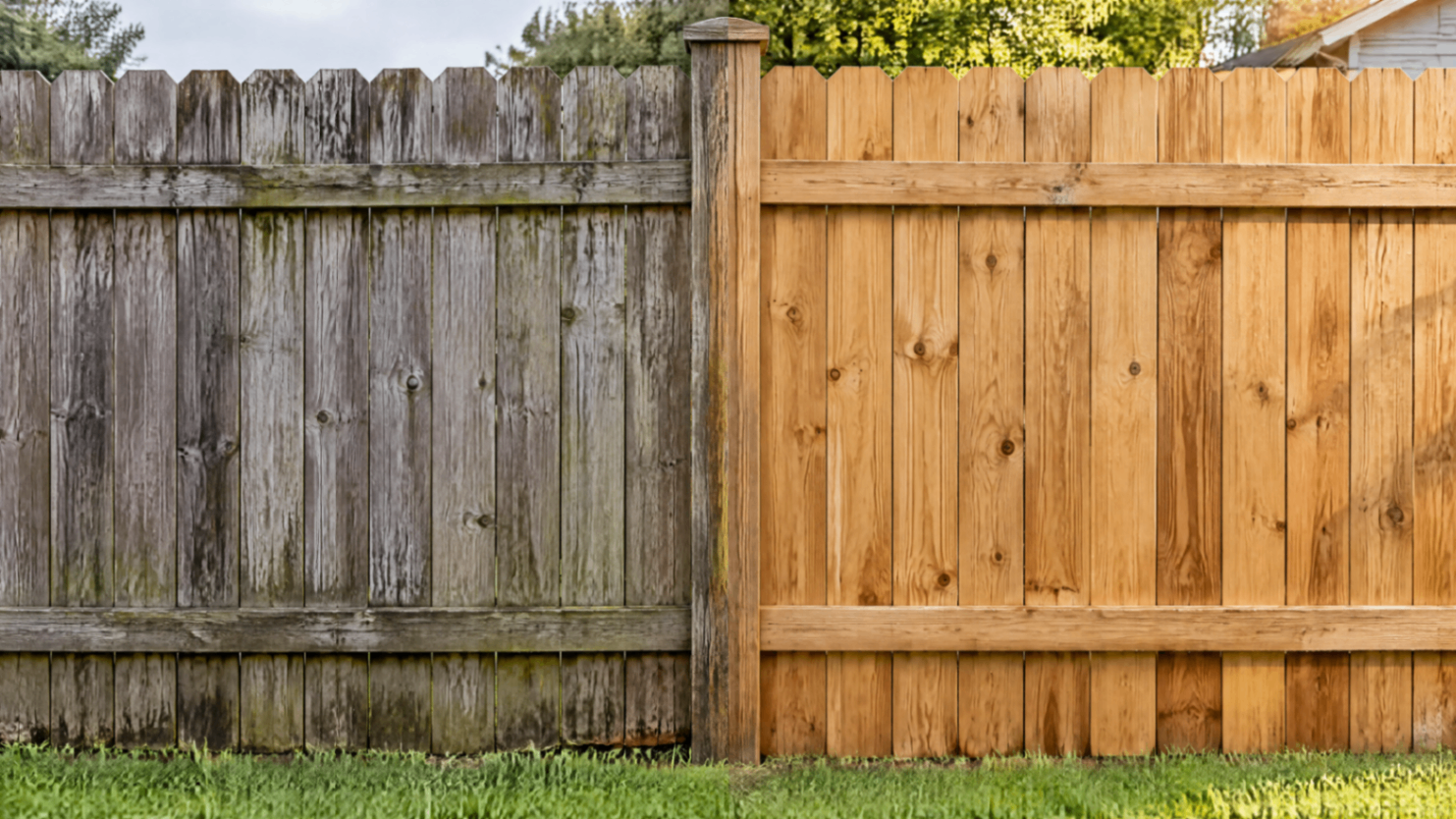
Roswell Pressure Washing discusses eligible fence-cleaning projects in Roswell and the North Atlanta service area. Customers can provide their property address when requesting a quote so coverage and project details can be confirmed.
Fence-cleaning quote requests can be reviewed for eligible residential, commercial, and managed properties in Alpharetta.
Customers in the North Atlanta service area can provide their address and fence details for coverage confirmation and a project-specific quote.
Eligible Buford fence-cleaning projects can be discussed after the property address, material, condition, and access needs are provided.
Fence-cleaning quote availability in Cumming is confirmed according to the property location and proposed scope.
Decatur property owners and managers can request an assessment of eligible fence sections and the sides to be included.
Duluth customers can submit fence material, dimensions, condition, and access information for a project-specific quote.
Fence-cleaning requests in Marietta can be reviewed for eligible homes, businesses, HOAs, and managed properties.
Norcross customers can request a quote with the property address and details about the fence sections needing assessment.
Roswell homeowners, businesses, HOAs, and property managers can request a project-specific fence-cleaning quote.
Eligible fence-cleaning projects in Sandy Springs can be discussed after confirming location, scope, and access.
Smyrna customers can provide fence details and a property address so service coverage and quote requirements can be confirmed.
Fence-cleaning quote requests for Suwanee properties are reviewed according to coverage, material, condition, and project scope.
“The back side of our vinyl fence had green streaks that were much more obvious than anything facing the street. They cleaned the panels and the posts, including the section behind the shrubs. It looks considerably better now. I’m glad I pointed out that less visible side before they started.”
“We had our wood fence cleaned in Atlanta after realizing how much buildup was hiding the grain. The result isn’t a freshly installed fence, and I wasn’t expecting that. Some boards are more weathered than others, so there are still differences in color. What changed was the dirty, greenish layer along the shaded panels. Those look much better. They also cleaned the gate, which had been bothering me every time I opened it. Overall, I’m pleased with how it turned out.”
“The vinyl panels cleaned up nicely, including the posts. There’s still a faint mark near the gate, but it’s much less noticeable.”
If your fence has collected dirt, pollen, algae, mildew, or other outdoor buildup, tell Roswell Pressure Washing about the material, sections you want assessed, and any existing damage or finish concerns. We can review the project details and explain the next step toward a scope-specific quote.