
Residential Front Sidewalks
Front sidewalks collect tracked soil, pollen, leaf debris, and organic growth. We review the walkway, nearby planting beds, entry features, and visible concrete condition before recommending a cleaning plan.
Residential, HOA, and Commercial Properties
Roswell Pressure Washing provides sidewalk and walkway cleaning for eligible homes, storefronts, managed properties, and commercial sites in Roswell, Georgia, and the North Atlanta service area. We review the concrete, visible buildup, access, drainage, and surrounding property before defining the work.
From a front walk affected by pollen and foot traffic to a shared walkway with organic growth, the goal is a cleaner-looking surface and a clear plan for what cleaning can reasonably accomplish.
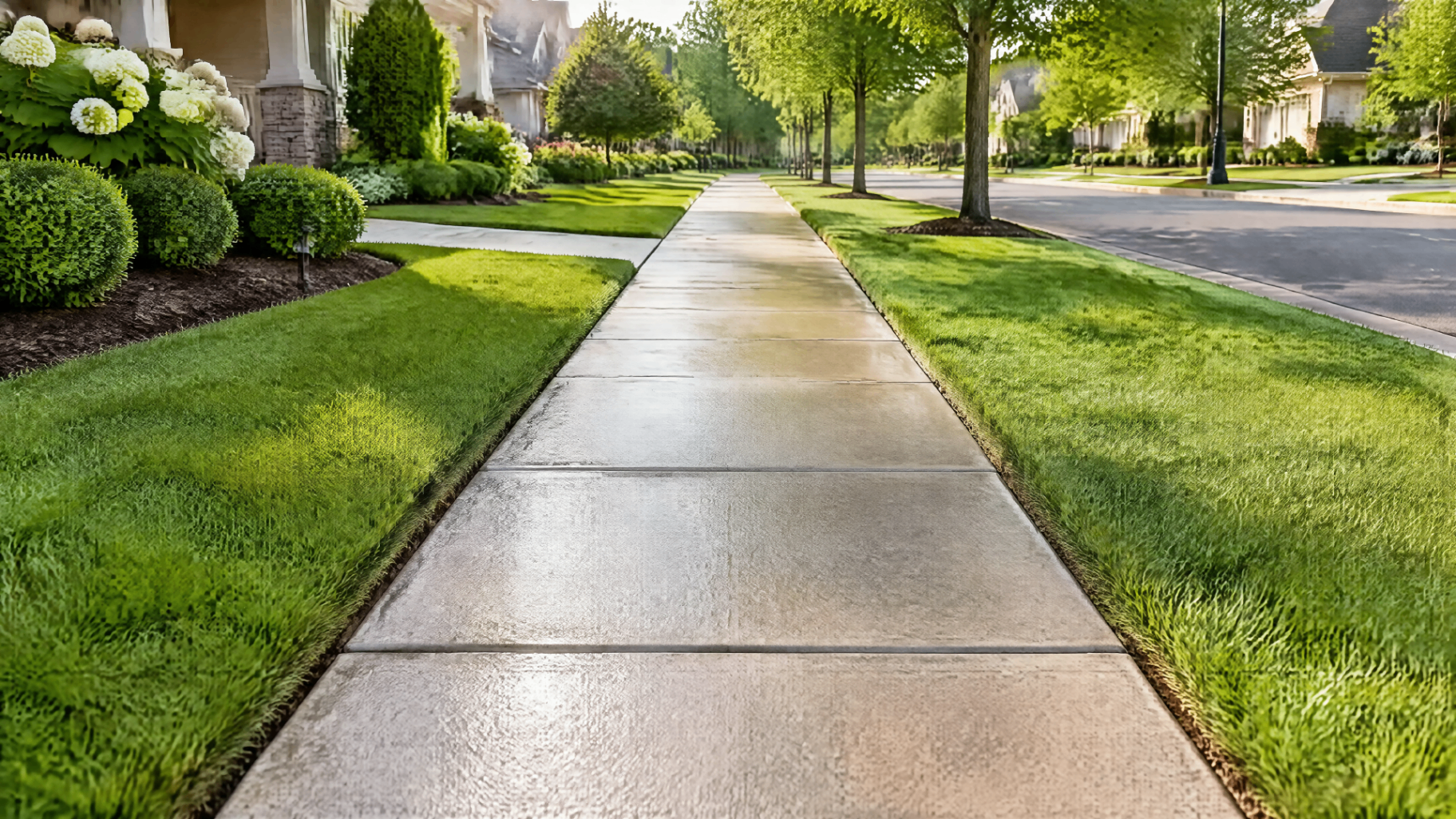
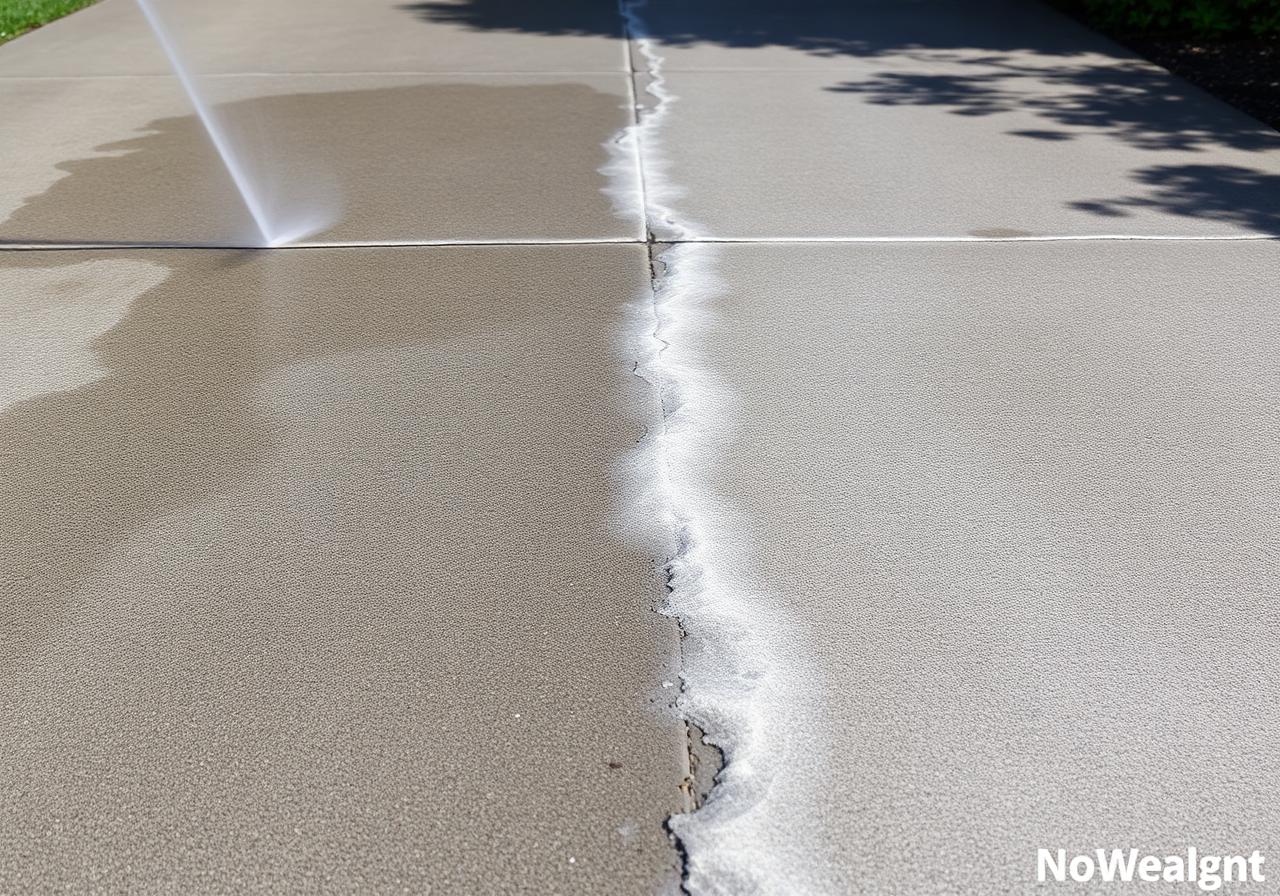
Sidewalk cleaning addresses removable dirt, traffic film, organic growth, and other visible buildup on eligible concrete pedestrian surfaces. The appropriate method and expected result depend on the material, condition, stain type, access, adjacent features, and drainage at the property.
A sidewalk is often the path visitors use first, whether it leads to a front door, storefront, shared entrance, or neighborhood amenity. Foot traffic, seasonal pollen, leaf debris, shade, and moisture can make otherwise serviceable concrete look dull or uneven.
Roswell Pressure Washing assesses the areas a customer wants cleaned rather than assuming every walkway needs the same treatment. We consider the surface and its condition, adjacent landscaping and finishes, pedestrian access, drainage, and the type of buildup before setting the scope and expected outcome.
Service is available for eligible properties in Roswell and the listed North Atlanta communities. If nearby concrete is also a concern, ask about concrete cleaning, driveway cleaning, patio cleaning, or curb cleaning as appropriate. Work on a public-facing sidewalk may require confirmation of property boundaries, authorization, and applicable access requirements before scheduling.
The location of a sidewalk affects preparation as much as its size does. A narrow front walk, busy storefront approach, and shared community path can have different access and protection needs.
Front sidewalks collect tracked soil, pollen, leaf debris, and organic growth. We review the walkway, nearby planting beds, entry features, and visible concrete condition before recommending a cleaning plan.
Some sidewalks run along property lines or connect to public pedestrian routes. Before quoting or performing work, the responsible party should confirm the area to be cleaned, the authority to authorize it, and any applicable access requirements. Cleaning does not grant permission to close or obstruct a public route.
Paths leading to doors and shared entries may need detail around steps, borders, fixtures, and nearby finishes. We identify the areas included and consider how people will access the property during service.
Community paths may involve multiple entrances, residents, landscaping, shared amenities, and property-manager coordination. A written scope helps clarify which sections are included and how access will be handled.
Commercial approaches may accumulate foot-traffic film, gum, spills, and residue from nearby activity. Site review helps determine the cleaning scope, suitable scheduling, pedestrian considerations, and whether contamination or runoff requires additional planning.
Curbs and bordering concrete can show traffic film, drainage marks, and landscape residue. If these areas are part of the project, identify them in the estimate rather than assuming they are included with sidewalk cleaning.
The source of discoloration matters. Loose soil and surface-level organic growth may respond differently from deeply absorbed oil, mineral staining, or deterioration in the concrete itself.
Pedestrians, wind, landscaping, and rain can leave fine soil and seasonal pollen across walking surfaces. These are common reasons customers request routine sidewalk cleaning.
Shaded or frequently damp sections can develop visible organic buildup, particularly near trees, irrigation, or areas where water lingers. We assess the location and surface condition before selecting a suitable approach.
Leaves, mulch, soil, irrigation, and runoff can leave surface marks or discoloration. Results vary with the cause, age, and depth of the staining.
Gum and other localized residue may need separate attention from general sidewalk buildup. Whether it can be improved depends on its condition, the concrete finish, and the treatment appropriate for the site.
Oil, grease, rust, and mineral deposits can penetrate or react with concrete. These conditions may need separate assessment, and ordinary cleaning may not fully remove them.
Cracks, pitting, spalling, etching, prior repairs, paint, and failing sealers affect both the method and the expected appearance. Cleaning does not restore structurally or cosmetically failed material.
A useful sidewalk-cleaning plan accounts for both the walking surface and the people and property around it. Roswell Pressure Washing reviews the requested area and visible conditions before confirming a scope and surface-appropriate approach.
We identify the specific sidewalk and walkway sections requested, including any connected entries, steps, or curbs. For shared or public-facing areas, authorization, boundaries, and access requirements should be clarified before work is scheduled.
We assess visible buildup, existing wear, nearby finishes, landscaping, water access, drainage, and any vehicles or obstacles affecting the work area. Conditions that may limit the result are discussed as part of defining the scope.
The project plan considers how residents, customers, or tenants will access the property and what adjacent items need attention. Any restriction involving a public route must follow applicable requirements and the authorized scope; do not imply an automatic right to close a sidewalk.
The cleaning approach may include broad-area surface cleaning, careful detail work, or targeted treatment where appropriate. Method selection depends on the concrete and site conditions rather than a universal pressure setting.
Cleaning and rinsing address the agreed areas while accounting for drainage. Projects involving detergents, oil, grease, or other contamination may require additional runoff planning before work begins.
The completed scope and visible result are reviewed when possible. Any concern about an area included in the written scope should be communicated promptly for assessment under the applicable approved service policy.
An appropriate surface-cleaning approach may help produce an even appearance on accessible stretches of eligible concrete. Narrow edges, steps, obstacles, and delicate adjacent surfaces may need different attention.
Organic buildup, gum, and localized residue do not necessarily respond like ordinary dirt. Any targeted method should be selected with regard to the concrete, adjacent materials, landscaping, drainage, and likely limitations.
Pressure alone does not define a cleaning plan. Surface condition, equipment choice, operator technique, nearby finishes, and the type of buildup all influence method selection.
Walkways often meet painted trim, siding, planting beds, doors, retaining walls, or steps. Those materials may call for a different approach, including lower-pressure methods where appropriate; sidewalk cleaning does not mean applying one method indiscriminately.
A commercial site may need coordination around operating hours, foot traffic, tenants, visible contamination, and runoff. We assess these conditions before committing to a method or disposal plan. Specialized recovery equipment is not represented as being used on every job.
People may need to reach a home, storefront, or shared entrance while work is underway. Scheduling and work-area planning should account for pedestrian access and any permissions applicable to the site.
Sidewalks are commonly bordered by planting beds, lawn, siding, fencing, doors, and fixtures. The plan should consider these surroundings rather than focusing solely on the concrete.
Prior repairs, loose material, cracked edges, worn coatings, and deteriorated concrete can affect the approach and final appearance. Visible issues should be discussed before cleaning; the service does not repair them.
Cleaning plans should consider where water and loosened material will go. We do not knowingly direct polluted wash water, oil, grease, detergents, or debris into storm drains. Site-specific measures are determined before contaminated-water work.
Customers should be able to compare a sidewalk-cleaning proposal by its defined scope, the conditions it addresses, the limitations it explains, and the company information available for review.
Established 2019
Professional Training: UAMCC Soft Wash Certification
Industry Affiliation: PWNA Member
$1,000,000 Comprehensive General Liability Insurance
Workers’ Compensation Coverage for Technicians On-Site
Certificate of Insurance Available Upon Request Before a Project Begins
Scope-Specific Estimates
Surface-Appropriate Method Selection
Communication About Visible Conditions
Pedestrian and Adjacent-Property Planning
Runoff Considerations When Applicable
Length and width matter, but so do steps, tight corners, disconnected sections, and edges requiring detail work.
Routine dirt and pollen differ from heavy organic growth, gum, oil, grease, rust, or persistent mineral marks. Some conditions may require separate evaluation and may not fully respond.
Gates, operating hours, shared entries, pedestrian traffic, vehicles, and authorization can affect the work plan.
Water access and the direction runoff can travel are part of project planning, particularly where a storm drain or sensitive adjacent area is nearby.
Fragile edges, failing coatings, cracks, obstructions, landscaping, and adjacent finishes may affect methods and preparation.
Commercial sites may require additional coordination, written approvals, work-hour restrictions, insurance documentation, and contaminated-water planning.
A useful estimate identifies the sidewalk areas included, cleaning approach, known exclusions, expected limitations, and price. If material on-site conditions differ from the information provided, we explain any recommended scope or price change and obtain approval before additional work.
For residential work, define the front walk, connecting paths, steps, or adjacent curb sections that are actually included. Discuss nearby plants, gates, water access, and any existing concrete damage before service.
Shared walkways can involve several buildings, entrances, residents, and decision-makers. Written boundaries, access arrangements, scheduling, and an agreed scope help prevent confusion.
Storefronts and managed properties may need work coordinated around business operations and pedestrian use. Discuss the surface condition, site access, insurance-document requests, drainage, and visible contamination before finalizing a proposal.
These before-and-after photos show real sidewalk cleaning projects completed by Roswell Pressure Washing. Results vary with surface material, age, and condition.
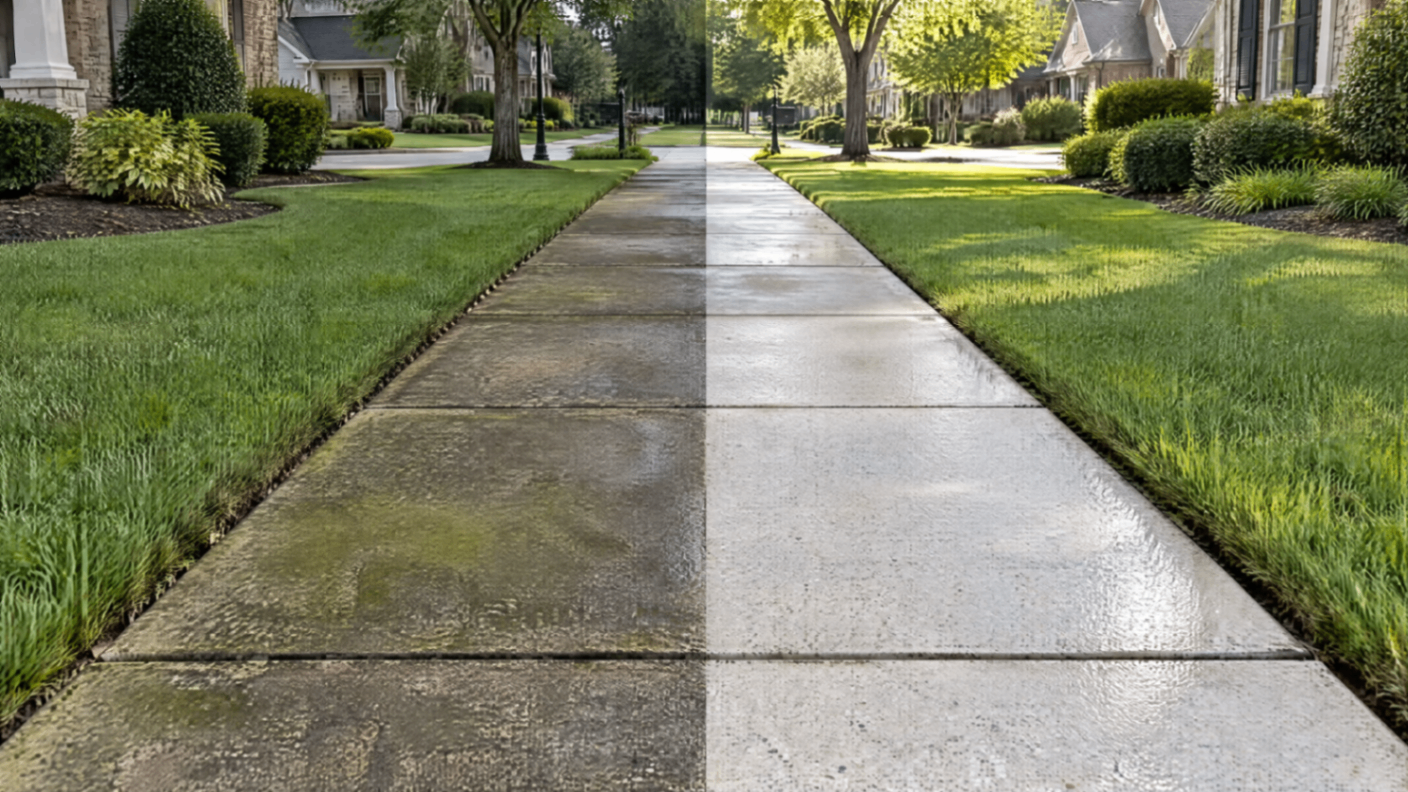
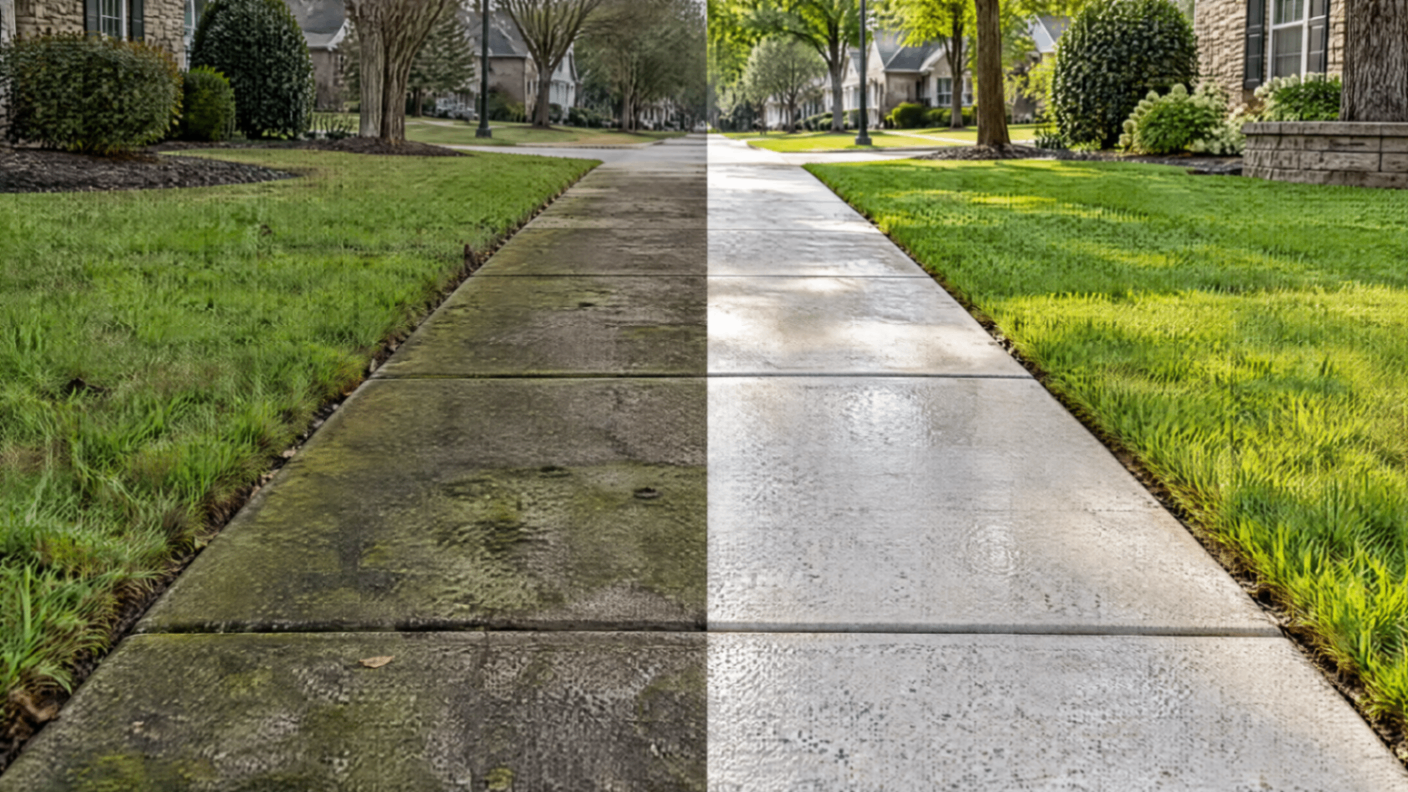
Roswell Pressure Washing serves eligible sidewalk-cleaning projects in Roswell and the following North Atlanta communities. Include the property address when requesting a quote so the team can confirm service availability and the proposed scope.
Eligible sidewalk-cleaning inquiries in Roswell can be discussed for a project-specific scope.
Property owners and managers in Alpharetta can ask about eligible sidewalk-cleaning work.
We can discuss eligible sidewalk-cleaning inquiries for properties in Atlanta.
Customers in Buford can request a review of eligible sidewalk and walkway areas.
Eligible sidewalk-cleaning needs in Cumming can be considered with the property details.
Decatur property contacts can inquire about eligible pedestrian-concrete cleaning.
We welcome inquiries about eligible sidewalk-cleaning scopes in Duluth.
Eligible walkway and sidewalk-cleaning projects in Marietta can be discussed.
Customers in Norcross can share their sidewalk areas and visible concerns for review.
We can review eligible sidewalk-cleaning inquiries in Sandy Springs.
Smyrna property owners and managers can ask about eligible walkway cleaning.
Eligible sidewalk-cleaning inquiries in Suwanee can be discussed with the proposed scope.
Compare related services by the surface and property areas included in the proposed scope.
Broader eligible concrete-surface work.
Explore Concrete CleaningVehicle-use concrete and driveway buildup.
Explore Driveway CleaningEligible connected concrete edges.
Explore Curb CleaningEligible outdoor gathering surfaces.
Explore Patio CleaningBroader storefront exterior needs.
Explore Storefront CleaningCoordinated shared-property exterior work.
Explore HOA & Property Management CleaningAn overview of exterior cleaning services for homeowners.
Explore Residential ServicesAn overview of exterior cleaning for business properties.
Explore Commercial Services“The walkway to our front door finally matches the cleaner concrete near the porch. Small job, but a noticeable difference.”
“The sidewalk outside our Atlanta property had a dark strip along the shaded edge that always stood out. I asked them to concentrate on that stretch and the path leading to the entrance. Both look better now. There’s still an older stain near the bottom step, but most of the dirt and green buildup came off. What I liked was being able to point out the areas that bothered me without getting pushed toward cleaning other parts of the property.”
“We had the front walkway cleaned rather than the whole driveway. The concrete had gone dull, particularly under the trees. It looks much brighter now, and the edges were cleaned as well as the middle. Communication was straightforward, and the work stayed within what we requested.”
If your front walk, shared path, storefront approach, or other eligible sidewalk has visible dirt, pollen, traffic film, or organic buildup, tell Roswell Pressure Washing which areas you want assessed. A scope-specific estimate can clarify the cleaning plan, expected limitations, and actual price.