
Building Exteriors
Discuss eligible siding, masonry, and coated exteriors, with materials and existing wear reviewed before cleaning.
Commercial Exterior Cleaning
Roswell Pressure Washing provides exterior cleaning for eligible HOA communities and managed properties in Roswell, GA and North Atlanta. Discuss shared walkways, building exteriors, entries, and outdoor amenities with a scope tailored to your property.
Material condition, resident access, scheduling restrictions, and drainage all matter. Share your priorities so the proposed work can distinguish cleaning needs from repairs and establish clear preparation responsibilities.
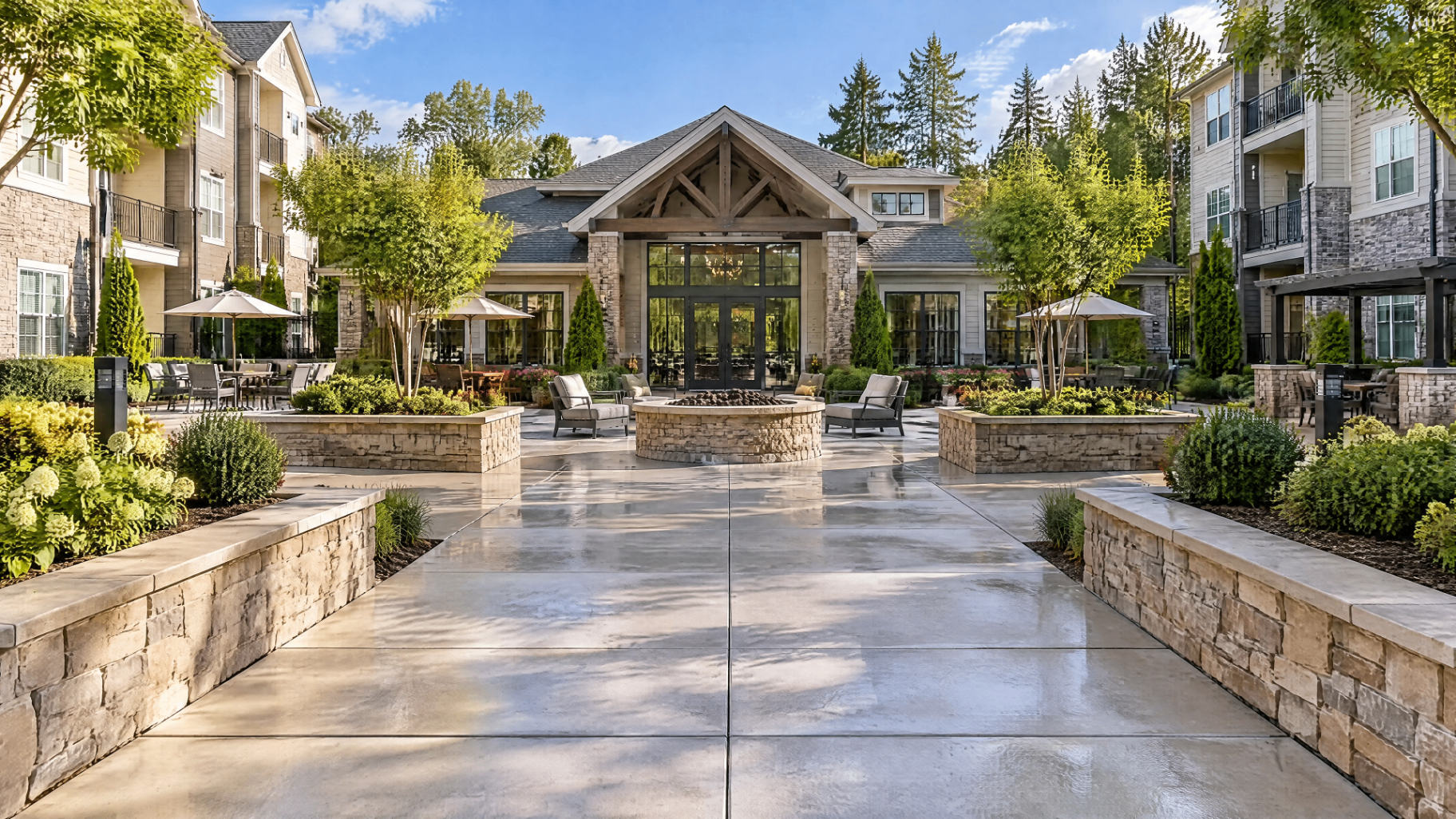
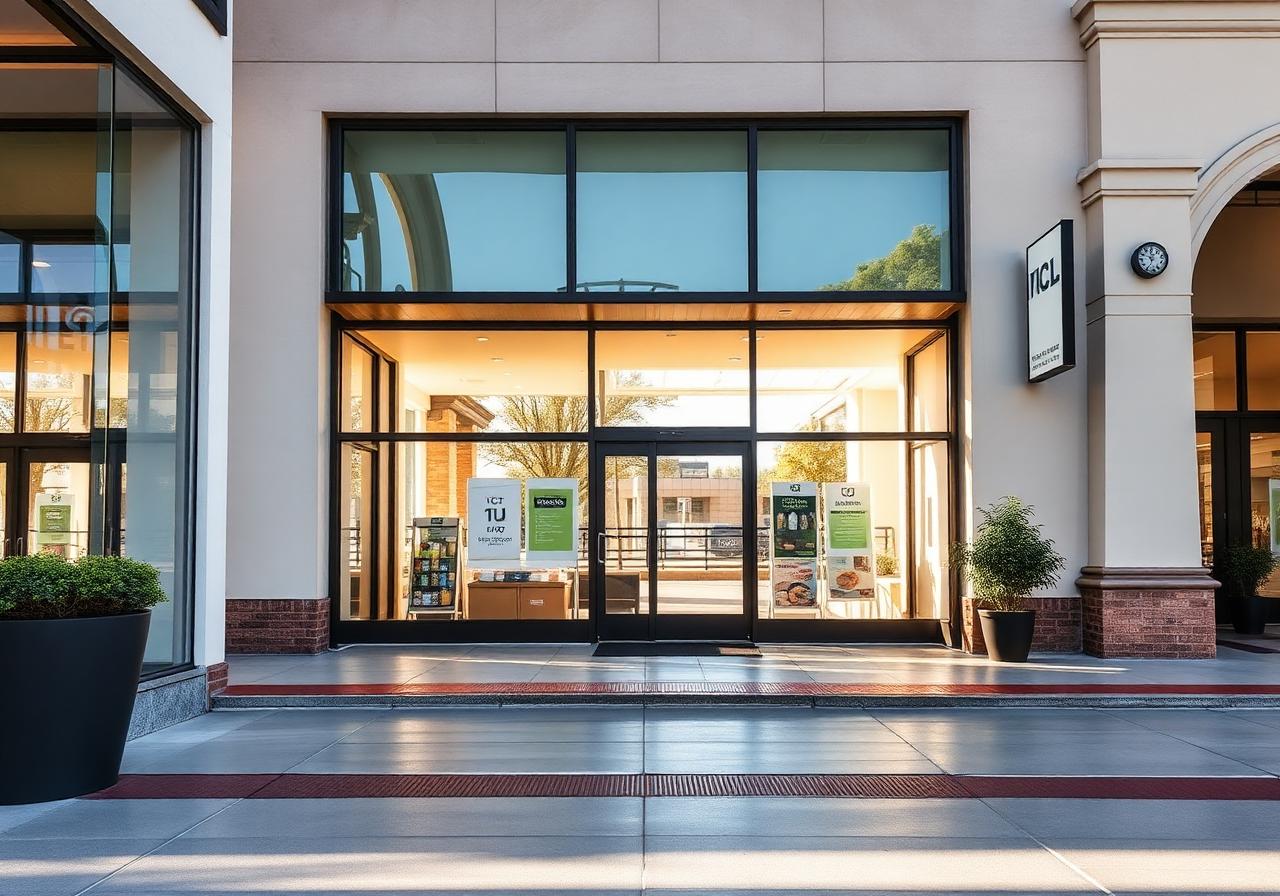
Managed-property exterior cleaning starts with the areas residents and tenants use every day. Identify buildup on shared routes, entries, and amenities, then discuss the materials and access conditions in each area.
A project-specific proposal helps property representatives compare the included surfaces, preparation needs, and limitations before approving HOA pressure washing in Roswell or nearby service communities.
Discuss eligible siding, masonry, and coated exteriors, with materials and existing wear reviewed before cleaning.
Identify shared paths, entrances, and pedestrian routes affected by dirt or organic buildup.
Review sidewalk cleaningReview eligible concrete areas, staining, vehicle movement, and drainage when defining the scope.
Review concrete cleaningDiscuss curb lines and property entrances that need attention, including access and adjacent landscaping.
Evaluate shared outdoor surfaces separately according to material, finish, drainage, and resident use.
Review pool deck cleaningWood, composite, and other fencing or deck materials require a condition-specific assessment.
Review deck cleaningReview wall materials, surface growth, and visible damage; cleaning does not correct structural problems.
Review retaining wall cleaningDiscuss gutter and downspout needs, building access, and any exterior brightening requested separately.
Review gutter cleaningIdentify eligible entries and frontages, along with tenant hours and customer-access requirements.
Review storefront cleaningDefine the courtyards, gathering areas, and adjoining features to include in the estimate.
Review outdoor living area cleaningShaded walkways, damp surfaces, and areas beneath trees can develop algae, mildew, and seasonal debris. The type and extent of buildup help determine the appropriate cleaning method and whether periodic maintenance would be useful.
Shared entrances, sidewalks, and parking areas require planning to limit conflicts between cleaning activities and everyday property use. Before work begins, identify affected routes, temporary access restrictions, and any resident-notification needs.
Managed properties often combine concrete, masonry, siding, painted surfaces, and other materials with different cleaning requirements. Existing cracks, loose coatings, deteriorated joints, or previous repairs should be reviewed before selecting a cleaning approach.
A one-time project can address a defined area or accumulated buildup, while recurring cleaning can support ongoing maintenance. The appropriate frequency depends on surface conditions, shade, foot traffic, seasonal exposure, and the property's priorities.
Cleaning water may carry dirt, cleaning agents, oil, or other residues, depending on the surfaces involved. Drainage routes, nearby landscape areas, and potential containment or recovery needs should be evaluated for the specific site.
Share the property location, areas needing attention, visible cleaning concerns, and any preferred timing. Photos, approximate dimensions, and access details can help clarify the initial scope.
The assessment should review surface materials, buildup, visible damage, drainage, and how residents or tenants use the proposed work areas. These details help establish which surfaces are suitable for cleaning and identify any preparation or access requirements.
The written proposal should identify the areas included, the intended cleaning approach, and any exclusions or preparation requirements. It should also clarify pricing, scheduling considerations, and project-specific responsibilities before approval.
The property representative and cleaning provider should agree on work-area access, resident notices, parking restrictions, and any temporary pedestrian routing. Responsibilities for notifications, moving obstacles, and maintaining access should be defined before the scheduled work.
Cleaning methods should be selected according to each surface's material, finish, condition, and type of buildup. Pressure, cleaning solutions, and application techniques may need to vary across different areas of the property.
A completion review should compare the cleaned areas with the agreed scope and note any remaining stains or condition-related limitations. Any follow-up items or future maintenance recommendations should be discussed with the property representative.
Agree on who will notify residents or tenants and what access changes need to be communicated.
Identify vehicles that may obstruct included areas and agree on clearance before the appointment.
Discuss temporary routing and access needs around entrances, shared paths, and active work areas.
Provide access instructions and identify restricted spaces through the agreed property contact.
Confirm available water access and any site restrictions when discussing project preparation.
Share community rules, tenant operating hours, and other restrictions before scheduling.
Discuss how weather could affect work and how the property contact will receive scheduling updates.
Concrete, masonry, siding, and coated surfaces do not all respond safely to the same cleaning method. The approach should account for material condition, manufacturer guidance where available, and the buildup being addressed.
Low-pressure cleaning with an appropriate cleaning solution may be suitable for certain exterior surfaces affected by organic growth. Suitability depends on the material, finish, surrounding features, and any applicable care requirements.
Nearby windows, doors, fixtures, coatings, and landscape areas should be considered when planning the work. Protective measures may include adjusting application methods, controlling spray direction, or keeping sensitive features outside the cleaning scope.
Visible cracks, loose paint, damaged joints, and other existing defects should be discussed before cleaning begins. Cleaning does not repair these conditions, and some deterioration may become more noticeable after surface buildup is removed.
Wastewater planning should consider the residues being removed, the products used, and where water could travel during cleaning. Any necessary containment, collection, or disposal measures should be determined for the project rather than assumed to be identical at every property.
List included surfaces, requested results, and exclusions so the proposal reflects the actual property.
Identify the property contact, access requirements, and resident or tenant communication needs.
Discuss visible damage, sensitive finishes, and stains that cleaning may not fully remove.
Review scope, price, preparation responsibilities, and project terms before authorizing work.
Total surface area and separate work zones affect setup and cleaning time.
Mixed materials, fragile finishes, staining, and existing damage influence the appropriate scope.
Gates, vehicle clearance, pedestrian use, and resident notices can affect project planning.
Work-hour restrictions and tenant or community activity influence available scheduling options.
Water access, drainage routes, and site-specific wastewater requirements affect preparation.
The included areas and proposed frequency should be defined separately for each property.
A one-time project focuses on agreed areas and cleaning needs at a particular point in time. It may suit accumulated buildup, preparation for a property event, or a specific maintenance priority without implying an ongoing service commitment.
Recurring cleaning can be considered when shared surfaces repeatedly develop buildup or require regular attention. Frequency, included areas, scheduling, and any agreement terms would need to be discussed separately for the property.
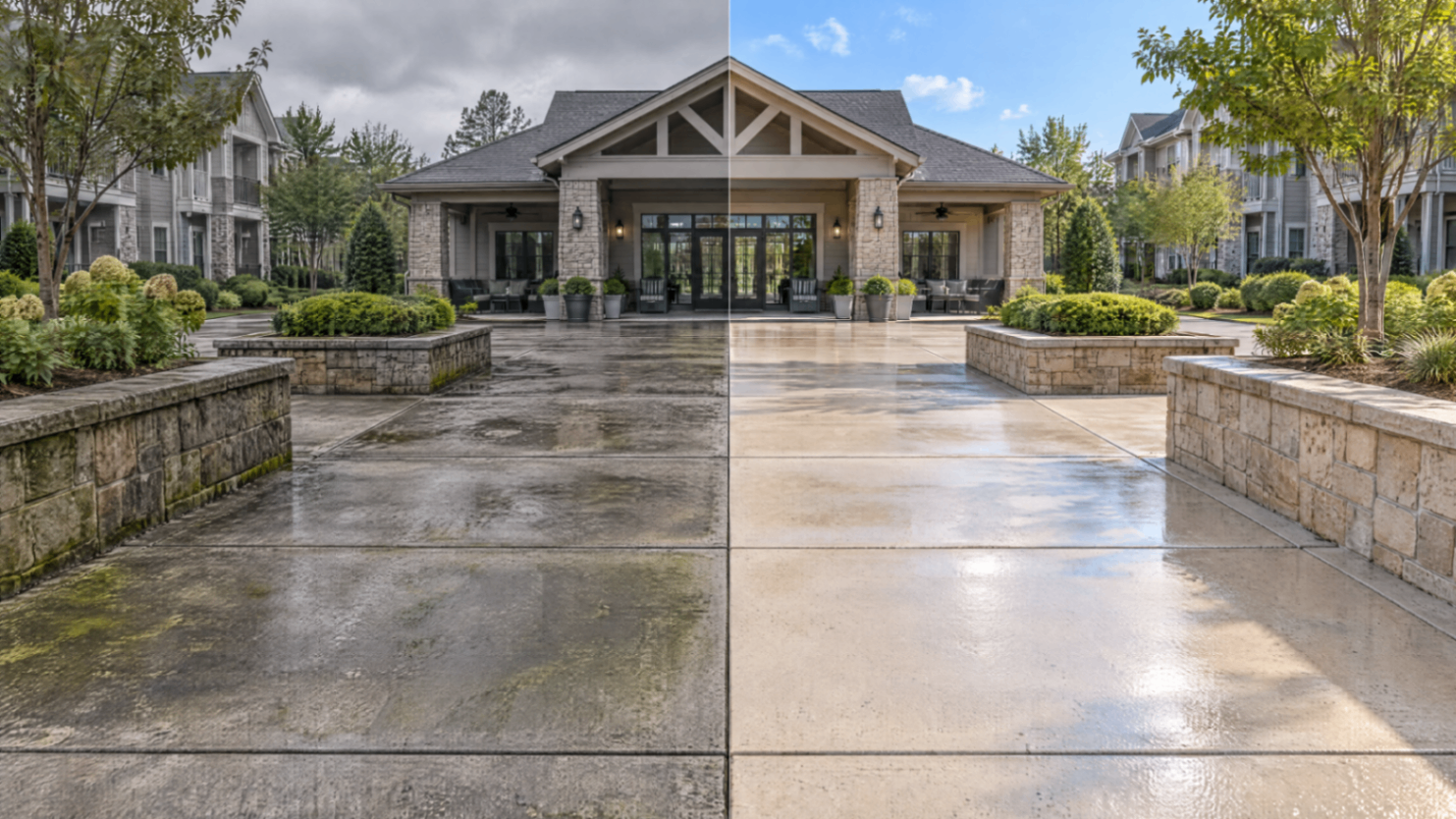
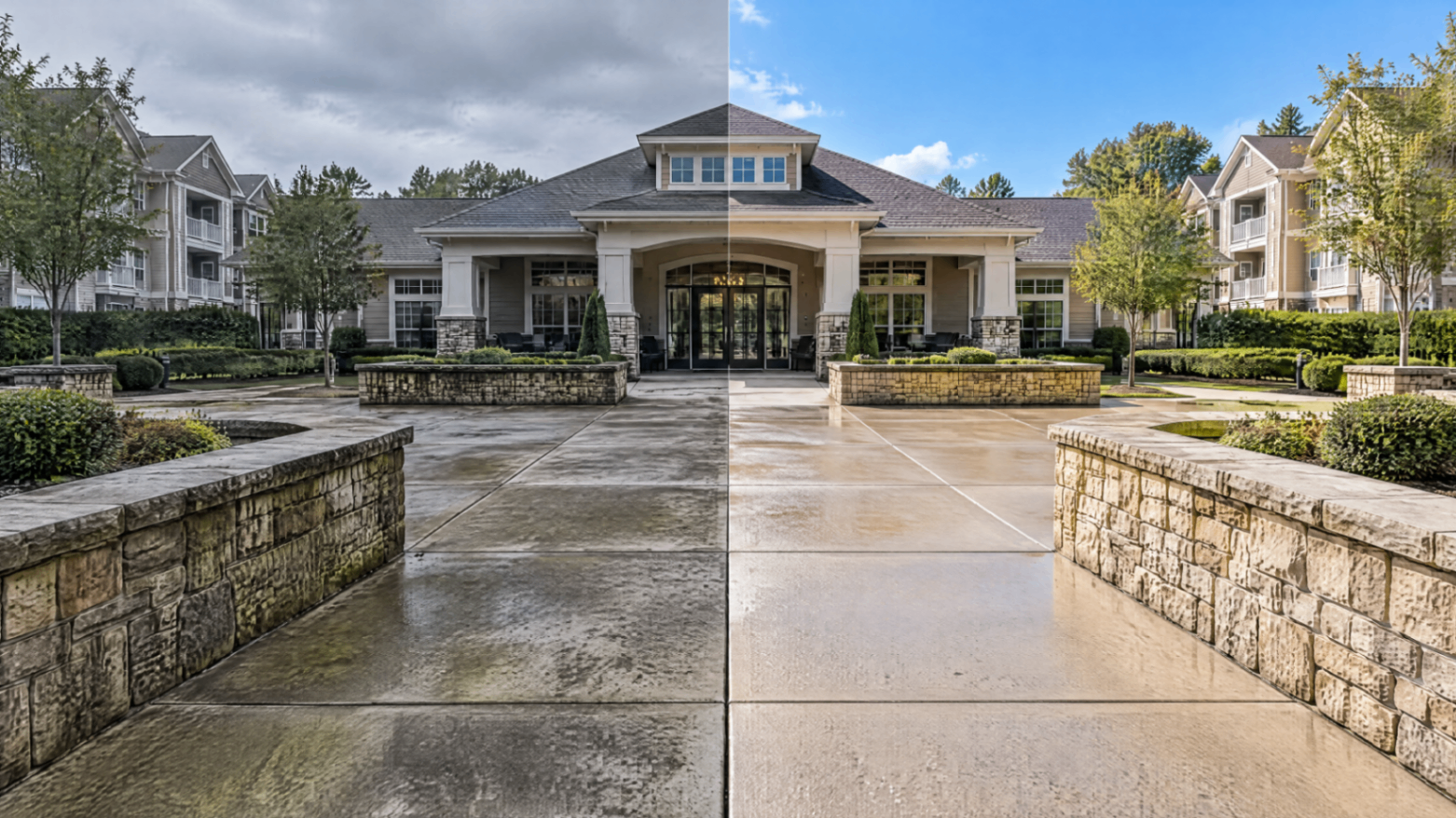
Full residential and commercial pressure washing services available in Alpharetta and surrounding neighborhoods.
Full residential and commercial pressure washing services available in Atlanta and surrounding neighborhoods.
Full residential and commercial pressure washing services available in Buford and surrounding neighborhoods.
Full residential and commercial pressure washing services available in Cumming and surrounding neighborhoods.
Full residential and commercial pressure washing services available in Decatur and surrounding neighborhoods.
Full residential and commercial pressure washing services available in Duluth and surrounding neighborhoods.
Full residential and commercial pressure washing services available in Marietta and surrounding neighborhoods.
Full residential and commercial pressure washing services available in Norcross and surrounding neighborhoods.
Full residential and commercial pressure washing services available in Roswell and surrounding neighborhoods.
View service-area coverageFull residential and commercial pressure washing services available in Sandy Springs and surrounding neighborhoods.
Full residential and commercial pressure washing services available in Smyrna and surrounding neighborhoods.
Full residential and commercial pressure washing services available in Suwanee and surrounding neighborhoods.
Compare exterior cleaning options for storefronts, restaurants, and managed properties with project-specific access and scheduling needs.
Discuss cleaning for eligible entrances, walkways, and building frontages while considering customer access.
Review eligible restaurant patios, approaches, and exterior areas with attention to residues, access, and drainage.
Explore cleaning for eligible concrete surfaces, with methods matched to condition, coatings, and visible buildup.
Discuss gutter and downspout cleaning needs alongside your property’s exterior maintenance priorities.
Review cleaning for eligible building exteriors with attention to siding, finishes, and nearby landscaping.
“I helped coordinate sidewalk cleaning for our HOA in Sandy Springs. The entrance paths look cleaner, and communication made my part easier.”
“My role was arranging the work around the clubhouse, not making decisions for the whole neighborhood. I appreciated having the areas to be cleaned spelled out beforehand. The entrance sidewalk and concrete near the seating area both look better. There was one timing change, but they let me know.”
“I was the contact person for cleaning a few common-area sidewalks and the path to the clubhouse. The useful part for me was knowing which sections would be worked on and when, so I could pass along accurate information. The work stayed within the areas we had discussed. Afterward, I walked those sections and noticed a good difference along the shaded edges. I can only speak to the coordination and the areas I checked, but both were handled well from my perspective.”
Tell us which shared areas or building exteriors need attention. Include the property address, visible buildup, access restrictions, and preferred timing to start a scope-specific quote discussion.
Discuss access instructions, preferred timing, and any household, resident, or business restrictions when arranging your appointment.
Ask how weather or unsafe site conditions could affect your appointment and how any schedule change will be communicated.
Confirm accepted payment methods, payment timing, and any deposit requirements in your project agreement.
Ask about cancellation notice, rescheduling, and any applicable charges before booking.
Agree on gate access, vehicle movement, pedestrian routes, and who will notify residents or tenants.
Discuss drainage, nearby landscaping, and any site-specific wastewater requirements before approving the scope.